Have you ever passed by an eye-catching Instagram ad, been amazed by a sleek product packaging design, or felt instantly attracted to a powerful logo?
That sense of wonder you felt is the result of graphic design in action.In today’s digital world, how visuals communicate plays a key role in every aspect of our lives.Whether you’re working on your own graphic designer website or trying to understand how brands connect with you without using words, this beginner’s guide will give you a clear understanding of everything you need to know.
What is Graphic Design?
At its simplest, graphic design is the process of planning and designing ideas and experiences through visual and text-based content.
Rather than just relying on words, graphic designers use images, shapes, colors, and fonts to convey messages, solve problems, and tell stories.
You can think of it as a form of visual problem-solving.
When a company wants to appear professional, trustworthy, or exciting, they don’t just write it down—they hire a creative professional to develop a unique identity.It connects what a business wants to say with how the audience feels when they see it.
Key Elements of Graphic Design
Every visual piece you come across is built on a foundation of essential elements.
Understanding these is the first step for anyone new to the field:
– Line: Lines help form shapes, create boundaries, and guide the viewer’s eye through a design.
– Color: Color schemes set the tone, evoke emotions, and create instant recognition.
– Shape: Both geometric and organic shapes contribute to the structure and form of a layout.
– Space: Negative or white space is essential; it allows elements to breathe and prevents a design from becoming cluttered.
– Texture: Textures provide depth and a sense of realism, making flat designs feel more dynamic.
– Typography: Fonts are more than just for reading; their style, weight, and spacing can strongly influence emotion and message.
What Skills Do Graphic Designers Need?
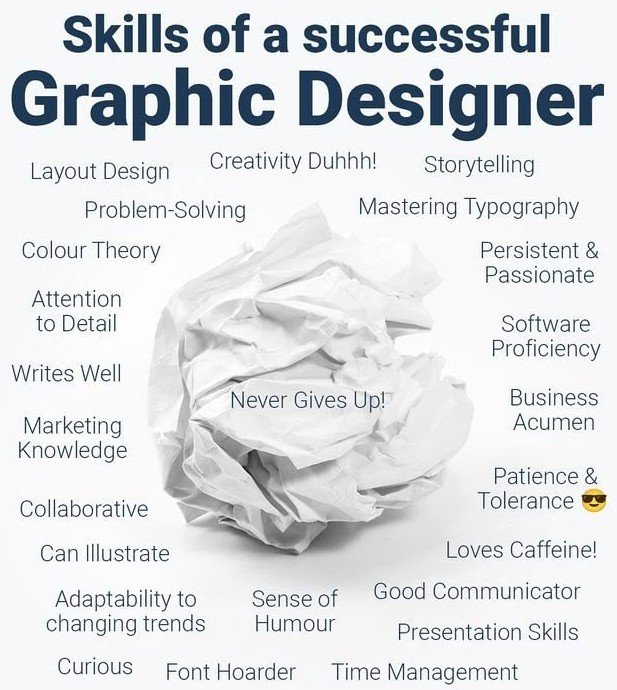
Becoming a successful designer involves more than just knowing how to use design tools.
A well-rounded designer needs a blend of technical and soft skills:
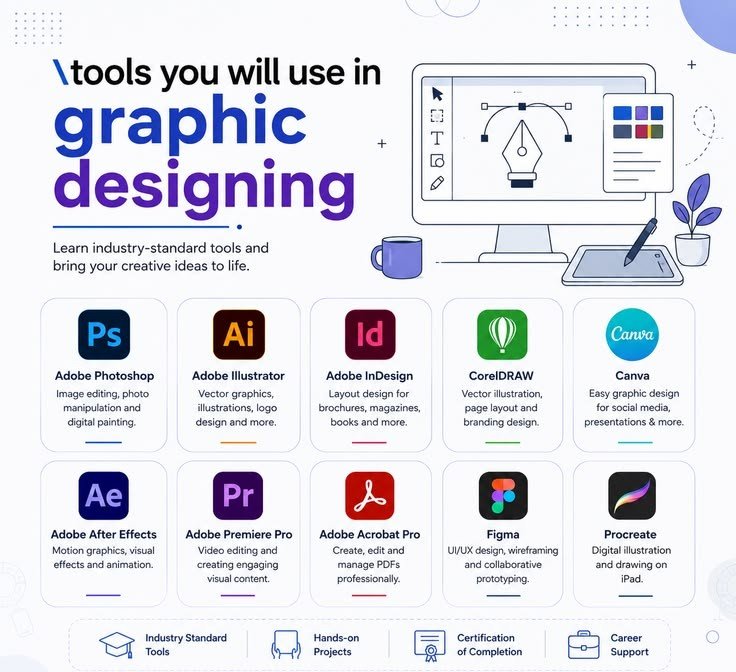
– Software Expertise: Strong knowledge of industry-standard tools like Adobe Photoshop, Illustrator, InDesign, and modern web-based tools like Figma or Canva.
– Visual Understanding: A clear understanding of color theory, grids, balance, and hierarchy.
– Communication and Empathy: The ability to listen to clients, understand the target audience, and turn abstract ideas into visual concepts.
– Adaptability: Staying up-to-date with changing design trends and accepting feedback in a constructive manner.
6 Types of Graphic Design
Graphic design is a broad field with several specialized areas.
Here are six major categories you should know about:
1.
Visual Identity Design: This focuses on creating the core elements of a brand, such as logos, color schemes, and typography guidelines.
2.
Marketing & Advertising Design: Creating visuals for promotional campaigns, including social media posts, flyers, email templates, and banner ads.
3.
UI/UX Design: Designing the look, feel, and user experience of websites and mobile apps to ensure they are both intuitive and visually appealing.
4.
Publication Design: Designing layouts for both traditional and digital formats, such as books, magazines, catalogs, and newsletters.
5.
Packaging Design: Creating boxes, wrappers, and labels that protect physical products while also attracting buyers in stores.
6.
Motion Design: Bringing static graphics to life through animation, video transitions, and kinetic typography for digital platforms.
Graphic Design Resources & Where to Find Work
If you’re looking to improve your learning or start your career in graphic design, using the right platforms can be very helpful.
### Top Learning & Inspiration Tools
– Behance & Dribbble: These platforms are great for studying top designer portfolios, getting daily inspiration, and keeping up with layout trends.
– YouTube & Design Blogs: These free resources offer tutorials on design software, in-depth color theory, and typography guides.
### Top 10 Graphic Design Freelance Websites
When you’re ready to find clients and start earning money, consider these popular marketplaces:
1.
Upwork – A great option for securing short and long-term projects across a wide range of budgets.
2.
Fiverr – Perfect for setting up pre-packaged gigs such as quick logo updates or social media design.
3.
99designs – A platform where you can enter contests and pitch your design concepts directly to global clients.
4.
Behance – While primarily a portfolio site, it also has a strong job board that attracts high-level recruiters.
Dribbble – An ideal platform to display your visual style, making it easier for companies to reach out to you directly.
6.
Freelancer.com – A large global marketplace where you can bid on a wide range of design projects.
7.
PeoplePerHour – A great platform for connecting with small and medium-sized businesses that need quick turnaround times.
8.
Guru – Provides flexible options for project-based and milestone-based contracts with affordable fees.
9.
Toptal – A highly selective platform that connects top 3% of skilled designers with major corporate clients.
10.
DesignCrowd – Another competitive crowdsourcing site where you can get custom logos, print materials, and web graphics.
Whether you are starting your own design studio or looking for a skilled graphic designer in Chandigarh, understanding these platforms will help you achieve long-term success.
If you are a business owner working on developing a unique brand identity design or an aspiring creative ready to start your first project, the world of design offers plenty of opportunities for growth and creativity.